Sidewalk Repair
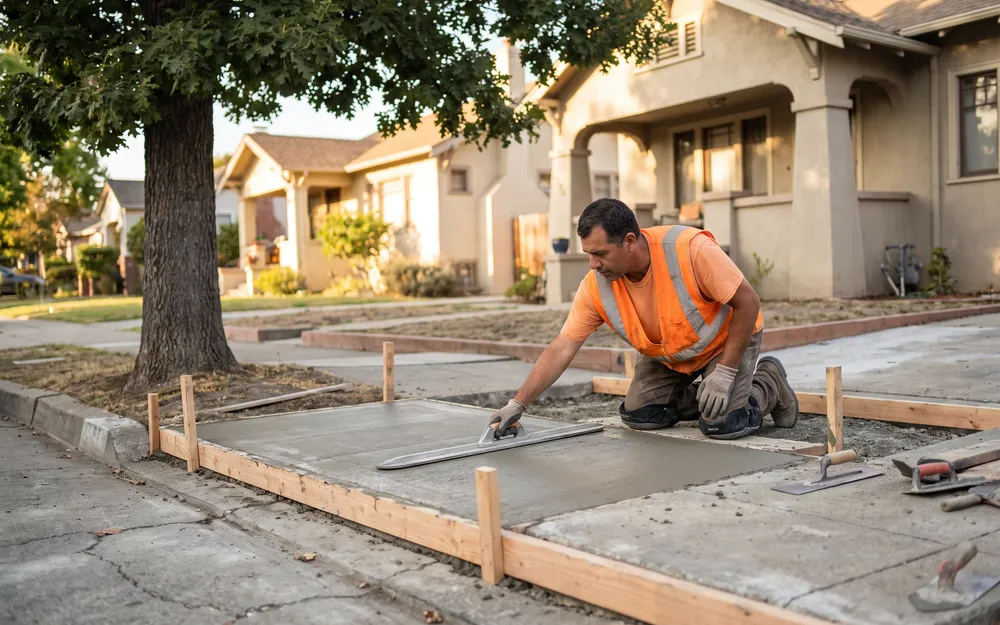
Broken, sunken and lifted sidewalk panels cut out and poured back flat, with the permit filed and the cause of the damage dealt with so the new concrete stays level.
See sidewalk repair →BA Sidewalk Restoration provides concrete services for homes and businesses in Oakland and nearby towns like San Francisco, Berkeley, and San Leandro. Free, no-pressure estimates, and we stand behind our work with a Lifetime Workmanship Warranty.
Broken, sunken and lifted sidewalk panels cut out and poured back flat, with the permit filed and the cause of the damage dealt with so the new concrete stays level.
See sidewalk repair →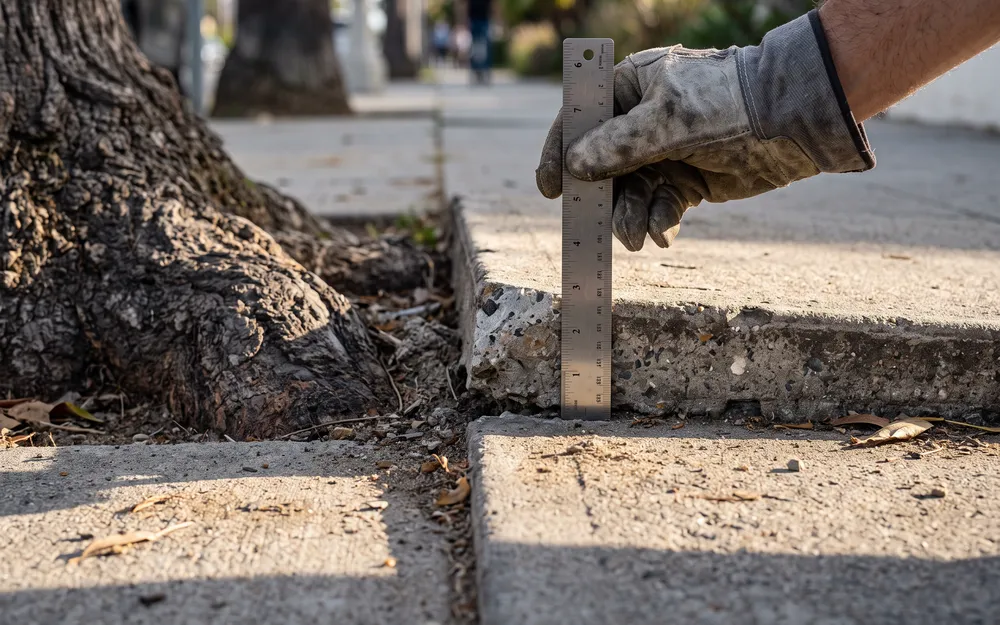
Lifted concrete edges taken down to a level, checkable surface by grinding, saw cutting or panel replacement, with the method chosen from the measured offset rather than from a price list.
See concrete trip hazard removal →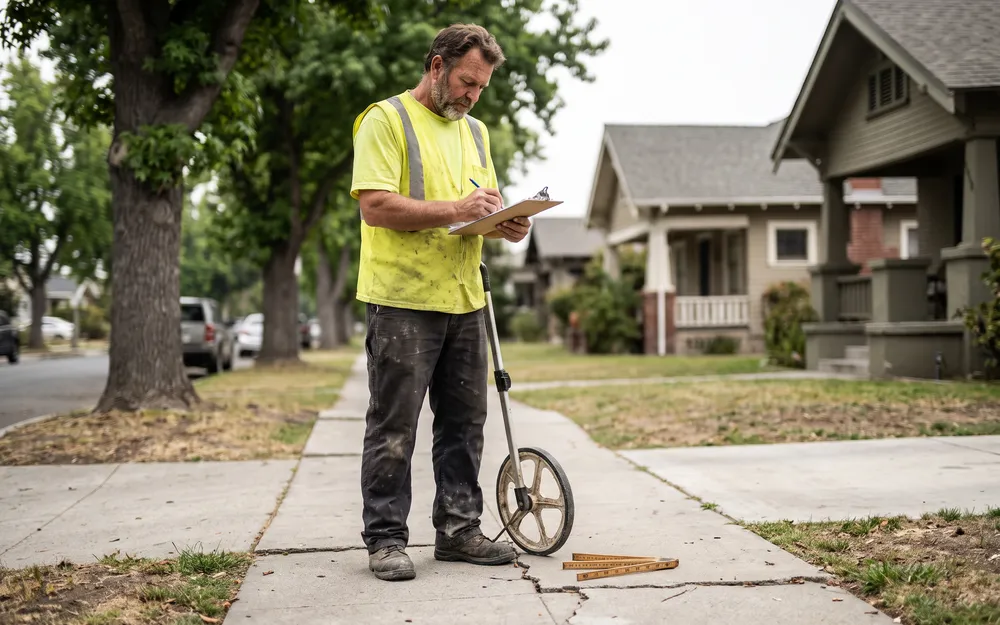
A measured, written survey of your frontage against the standard the City applies, plus the repair work that clears it, for sales, renovation permits and property files.
See sidewalk survey and certification →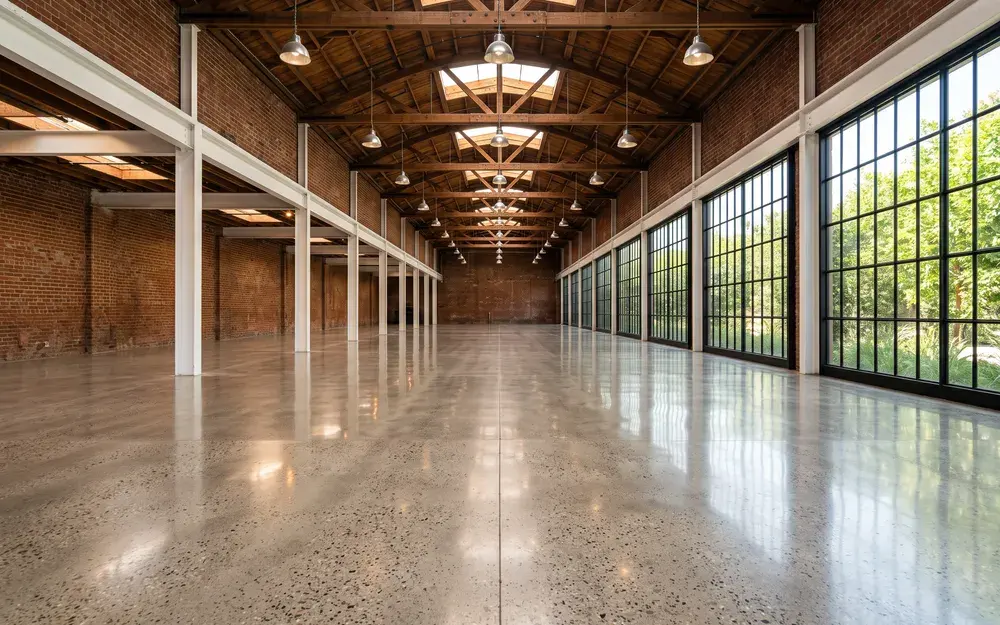
Existing concrete slabs ground and polished into a hard, low maintenance floor, with the densifier and the grit sequence chosen from what the slab is actually made of.
See polished concrete →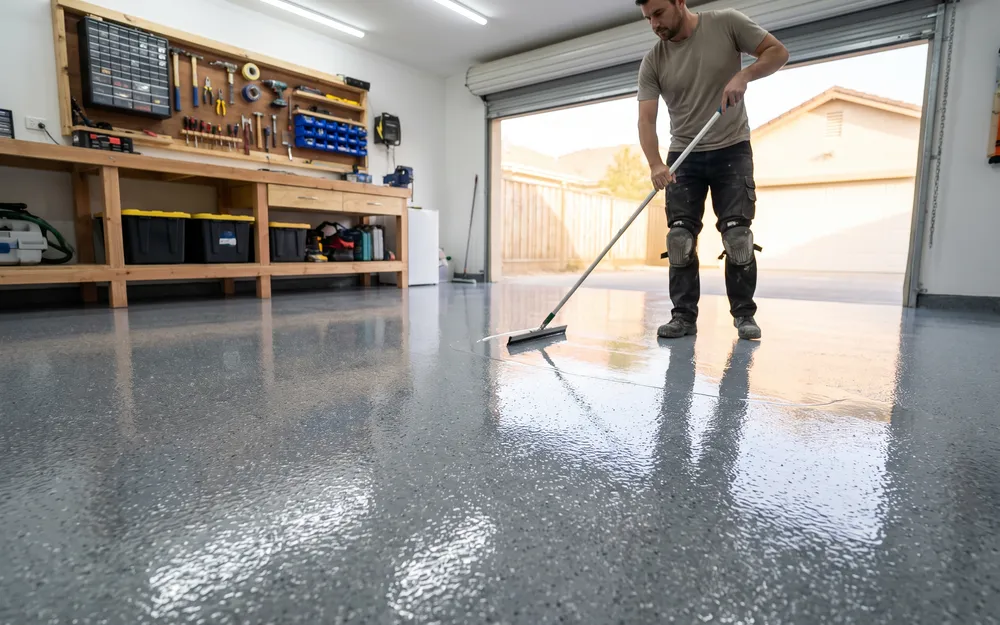
Resin floor coatings put down over a properly ground and repaired slab, for garages, workshops and warehouses that need a surface oil, wheels and hot tires cannot lift.
See epoxy floor coating →Concrete is one material doing several different jobs, and the job decides the method. A sidewalk panel that has to sit flat for pedestrians is a different problem from a warehouse slab that has to take pallet traffic, even though both are the same mix. This hub covers the sidewalk and flatwork side of our business and the floor finishing side, and it links to the detail on each one.
Three things, mostly: remove concrete that has failed, place new concrete that will not fail the same way, and refine the surface of concrete that is sound. Removal is saw cutting and demolition. Placement is base preparation, forms, pour and finish. Refinement is grinding, densifying, polishing and coating. Most real jobs are a mix, which is why a contractor who only does one of the three tends to recommend it for everything.
Concrete fails from underneath far more often than it fails from the top. Washed out or poorly compacted base lets a slab settle and rock. A growing root under a panel lifts it whatever the mix design was. So the useful question on a broken slab is not what strength was poured, it is what was under it and whether that has been fixed. Pouring a new panel onto the same unrepaired base buys a few years at most.
By area and by access, then by what has to come out first. Square footage sets the base number. Access changes it, because concrete has to be carried to where it goes and demolition has to be carried away. Then the removal of whatever is there now, whether that is a broken panel outside or an old glued covering inside, is often the largest single line. Permits sit on top of that where a city requires them.
Ask what caused the failure, because a contractor who cannot answer that is quoting a repeat. Ask whether the scope includes the permit and who files it. Ask what the surface will look like next to the concrete beside it. Ask for the license number. And ask what the warranty covers in specific terms rather than as a slogan, because that is the answer that separates a written guarantee from a friendly sentence.
FAQ
Use the CSLB Check a License page and type in the number. It returns the license status, the classifications the contractor is allowed to work under, the expiry date, and the bond and workers compensation position. Our number is CSLB #689821. California law requires a licensed contractor to show that number in advertising, so a company that will not give you one is telling you something.
From what has to be removed, what has to be placed, and how hard the site is to reach, not from a per foot rate applied blindly. Two frontages of the same length can differ a lot once demolition, base repair, permits and access are counted. We do not publish a flat number we would have to walk back on site. We measure first and quote from that.
Concrete is usually firm enough for foot traffic in a day or so and keeps gaining strength for weeks afterward. Vehicles wait considerably longer than people do. The exact wait depends on the mix, the thickness and the weather, so we give you the real number for your pour rather than a rule of thumb. Using a slab early is a common and expensive mistake.
Repair deals with the structure: cut out the failed section, fix what is underneath, and place new concrete. Resurfacing puts a thin layer over the top to change how a sound slab looks. Resurfacing a slab that is actually broken hides the problem for a season and then cracks along the same line, so the first question is always whether the concrete underneath is sound.
Most of the year works here, which is one advantage of this climate. Rain is the main scheduling problem, because a fresh pour needs to be protected and a saturated base has to dry before it can be compacted. Cold slows curing and slows resin floor coatings more. We plan around the forecast rather than around the calendar.
A general contractor manages a whole project and brings in trades. A concrete contractor does the concrete: the cutting, the demolition, the base, the pour, the finish and the surface work. For a sidewalk, a driveway approach or a floor, going direct to the concrete trade means the person quoting is the person who will be standing on the slab.
Call now or request a free sidewalk assessment.
Licensed & Insured · Lifetime Workmanship Warranty · No obligation · We answer Monday to Saturday, 7:00 am to 5:00 pm and Sunday, Closed.